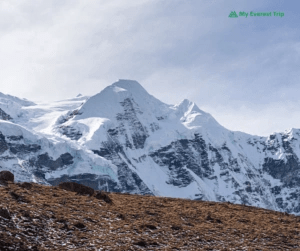
Mera Peak Climbing offers one of the most rewarding high-altitude trekking experiences in Nepal. Situated in the Everest region, Mera Peak (6,476m/21,247ft) is Nepal’s highest trekking peak and ideal for climbers looking for a non-technical mountaineering challenge. With panoramic views of Everest, Lhotse, Makalu, Cho Oyu, and Kanchenjunga from the summit, the Mera Peak expedition promises both thrill and beauty in equal measure.
Why Choose Mera Peak Expedition?
1. Perfect for First-Time Climbers
Mera Peak is considered one of the best introductions to Himalayan peak climbing. Despite its impressive altitude, the route doesn’t involve highly technical climbing, making it ideal for physically fit trekkers with basic mountaineering knowledge.
2. Unmatched Himalayan Panorama
From the summit, climbers enjoy sweeping views of five of the world’s highest mountains—Everest, Kanchenjunga, Lhotse, Makalu, and Cho Oyu. This is one of the few peaks offering such a grand vista.
3. Off-the-Beaten-Path Trekking
Unlike the popular Everest Base Camp trail, the route to Mera Peak takes you through quieter, pristine landscapes including dense rhododendron forests, remote villages, and hidden valleys. This isolation enhances the sense of true wilderness and raw adventure.
Mera Peak Climbing Itinerary: Step-by-Step
Here’s a typical Mera Peak expedition itinerary that combines acclimatization and adventure efficiently:
Day 1–2: Arrival in Kathmandu
You arrive in Nepal’s bustling capital city, Kathmandu. The first two days are reserved for permit preparations, gear checks, and sightseeing.
Day 3: Flight to Lukla – Trek to Paiya
After a scenic mountain flight to Lukla, you begin trekking through lush forests to Paiya (2,730m).
Day 4–6: Trek to Panggom, Ningsow, and Chhatra Khola
You ascend slowly, passing through small settlements, with opportunities to meet the local Rai and Sherpa communities.
Day 7–9: Trek to Kothe, Thangnak, and Khare
The landscape shifts dramatically as you reach alpine zones. Khare (5,045m) is the base camp for Mera Peak.
Day 10–11: Acclimatization and Pre-Climb Training
A crucial part of the Mera Peak climb is proper acclimatization. Training includes crampon use, ice axe handling, and rope skills.
Day 12: Trek to Mera High Camp
You ascend to High Camp (5,780m), which offers breathtaking views and prepares you for summit day.
Day 13: Summit Day – Return to Khare
Start before dawn. The climb to Mera Peak summit (6,476m) takes 6–8 hours. After celebrating at the top, descend back to Khare.
Day 14–16: Return Trek to Lukla
Retrace your steps through remote trails back to Lukla.
Day 17: Flight back to Kathmandu
A scenic flight marks the end of the trekking portion.
Day 18: Departure
Transfer to the airport or continue exploring Nepal.
Mera Peak Climbing Cost: What to Expect?
The Mera Peak climbing cost can vary depending on group size, services, and the route you take. On average, expect to pay between USD $2,100 to $3,500 per person.
Cost Breakdown:
| Item | Estimated Cost (USD) |
| Climbing permit (Spring/Autumn) | $250–$400 |
| Kathmandu–Lukla round-trip flight | $400–$450 |
| Guide, porters, cook (15–18 days) | $600–$800 |
| Accommodation & meals (tea houses) | $300–$400 |
| Climbing gear rental (optional) | $150–$250 |
| Insurance (mandatory) | $100–$200 |
| Miscellaneous & contingency | $100–$150 |
Many trekkers opt for all-inclusive packages, which cover logistics, permits, guiding, food, accommodation, and domestic flights.
Best Time for Mera Peak Climbing
The ideal seasons are spring (March–May) and autumn (September–November). During these periods, you can expect stable weather, good visibility, and safer climbing conditions.
- Spring: Offers blooming rhododendron forests and warmer weather.
- Autumn: Known for crystal-clear skies and spectacular mountain views.
Avoid the monsoon season (June–August) and winter (December–February) due to heavy snowfall and poor visibility.
Fitness and Preparation
While Mera Peak doesn’t require advanced climbing techniques, it does demand excellent physical fitness and strong mental endurance. Altitude sickness is a real challenge, so proper acclimatization and slow ascent are key.
Training Tips:
- Hike with a 10–15kg backpack on inclines.
- Include cardio (running, cycling), strength, and endurance training.
- Familiarize yourself with crampons and ice axe use in snowy conditions.
A basic mountaineering course or previous experience in high-altitude trekking (e.g., Everest Base Camp) is highly recommended.
Gear and Equipment Checklist
Whether you’re renting or bringing your own, here’s a summary of essential gear for Mera Peak:
- Insulated down jacket and pants
- Mountaineering boots (B2 or B3)
- Crampons, harness, helmet
- Ice axe and ascender
- Warm gloves, balaclava, goggles
- Sleeping bag (-20°C comfort rating)
- Trekking poles and gaiters
- Headlamp and water purification tablets
Most gear is available for rental in Kathmandu, reducing the need to carry everything from home.
Permits Required
Three major permits are necessary for the Mera Peak Expedition:
- Mera Peak Climbing Permit (based on season)
- Makalu Barun National Park Entry Permit
- Local Area Permit (Rural Municipality)
Your trekking agency typically handles these permits on your behalf.
Unique Conclusion
Climbing Mera Peak is more than just standing atop Nepal’s highest trekking peak—it’s about discovering inner strength, embracing simplicity, and experiencing the grandeur of the Himalayas in a pure and peaceful environment. The expedition allows you to explore remote trails, immerse yourself in Sherpa culture, and build the confidence to take on higher mountaineering challenges in the future. Whether it’s your first Himalayan climb or a stepping stone to greater peaks, Mera Peak delivers an unforgettable adventure.
Key Takeaways
- Mera Peak (6,476m) is Nepal’s highest trekking peak, ideal for beginners with good fitness and some climbing training.
- Panoramic summit views include Everest, Makalu, Cho Oyu, Lhotse, and Kanchenjunga.
- Best seasons: Spring and Autumn for stable weather and clear skies.
- Average cost: $2,100–$3,500 per person for an all-inclusive package.
- Duration: 18–20 days including acclimatization and summit.
- No technical climbing needed, but prior altitude trekking experience is beneficial.
 Travora