The 4‑Day Inca Trail is one of the most iconic treks in South America, winding through Andean highlands, cloud forests, ancient Incan ruins, steep mountain passes, and culminating at Machu Picchu—arguably one of the most extraordinary archaeological sites in the world. It’s challenging, breathtaking, spiritual, and deeply rewarding. For those who want a full immersion in Inca history and the natural beauty of the Andes, the 4‑day trek is the gold standard.
What Is the 4‑Day Inca Trail?
The Classic Inca Trail is a 4‑day / 3‑night hike, covering roughly 43 km (about 26–27 miles). The trail starts at Km 82 (also known as Piscacucho), ascends through rugged terrain, crosses high passes, visits multiple Inca ruins along the way, and finishes with the dramatic entrance through the Sun Gate (Inti Punku) into Machu Picchu.Key high points:
- The trail’s highest point is Dead Woman’s Pass (Warmiwañusca) at about 4,215 m above sea level.
- Other important ruins include Runkuracay, Sayacmarca, Phuyupatamarca (City Above the Clouds), Wiñay Wayna, and finally Machu Picchu 4 Day Hike itself.
- The environment changes dramatically: you pass through high Andean “puna” grasslands, cloud forest, bamboo zones, and subtropical zones as you descend.
Because the trail is part of a protected area, permits are strictly limited, and the trek only operates certain months (usually April through October; it closes in February for maintenance).
Itinerary: Day by Day
Here’s a representative 4‑day itinerary, showing what each day typically involves.
What to Expect: Conditions, Challenges & Rewards
Physical & Environmental Challenges
- Altitude: Starting around 2,700‑3,000 m on Day 1, rising to over 4,200 m on Day 2, then descending. Altitude sickness is a real risk if not properly acclimatized.
- Steep ascents & descents: The trail has many stone steps, steep slopes, sometimes slippery or muddy paths after rain. Downhill on Day 4 can feel brutal on knees.
- Weather: Temperature swings are large. Cold nights (even freezing), warm or even hot afternoons, rain or most likely, especially in cloud forest sections.
- Camping: Nights are spent in tents. Depending on operator, facilities may vary: some camps have basic toilets/showers; others more rustic. Food is carried/cooked by support crews.
Rewards & Highlights
- Ruins & archaeology: Visiting less accessible Incan sites like Sayacmarca, Phuyupatamarca, Runkurakay, Wiñay Wayna gives deep insight into Inca architecture, agricultural terraces, water channels, and religious design.
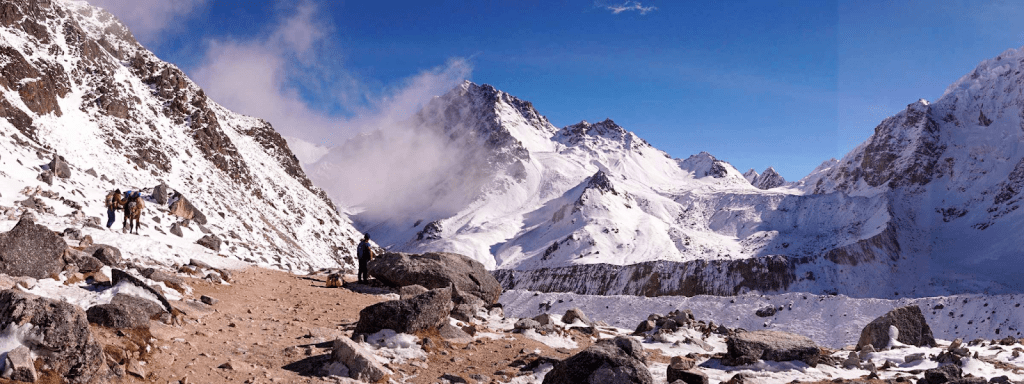
- Natural beauty: The shifting ecosystems—from high Andes, passes with snow‑peaks, cloud forest, to subtropical vegetation—offer diversity of flora, birdlife, and dramatic views.
- Sun Gate Arrival: Arriving via Inti Punku and seeing Machu Picchu emerge is emotionally stirring. For many, this moment justifies all the effort.
- Sense of achievement: The physical rigors, the early mornings, carrying some load (though porters carry most gear), sleeping in remote camps—all build a sense of journey which many find transformative.
Planning & Practical Tips
- Acclimatize ahead
Spend at least 1‑2 days in Cusco or the Sacred Valley before starting the trek, to give your body time to adjust to altitude. Those arriving directly from low altitudes should take this seriously. - Permits & booking early
Because daily spots on the Inca Trail are limited (maximum number of trekkers + support personnel) and demand is high, permits sell out months in advance. Especially in the high season (May‑September). - Gear & what to bring
- Good hiking boots, broken in
- Layered clothing, waterproof outer
- Warm sleeping bag if not provided
- Trekking poles, gloves, hat (sun and cold)
- Rain cover for backpack, dry bags
- Sun protection (sunscreen, sunglasses)
- Snacks, water bottle (some refills along route)
- Good hiking boots, broken in
- Guide & support crew
A quality trekking company will provide licensed guides, cooks, and porters. Porters carry much of the gear; you carry a day‑pack. Ensure health & safety standards. - Fitness
You don’t have to be a professional athlete, but regular cardio, hiking, stair work help. Endurance is valuable; knees can suffer on long descents. - Best season & when to go
- Dry season (April‑October) is recommended; February the trail is closed.
- Early in the day tends to be clearer; afternoon clouds and rain more likely.
- Planning sunrise at Sun Gate different lodging/camp schedules.
- Dry season (April‑October) is recommended; February the trail is closed.
- Costs & what’s included
Most 4‑day packages include: permits, park fees, meals during trek, tent & sleeping gear (tent, mat, sometimes bag), transport to trailhead and return, guide, porters.
Extras: tips, optional gear, possibly hot showers, extra snacks or upgrades, accommodation in Cusco before/after. Prices vary by level of comfort & group size.
Variations & Alternatives
- If the Inca Trail is fully booked, there are alternate treks (e.g., the Salkantay Trek, Lares Trek) or shorter versions (2‑day Inca Trail) that offer different scenery, solitude, or less strenuous schedules.
- Luxury or upgraded packages might offer better camping equipment, more comfortable tents, better food, even “glamping” style features.
- For those who prefer less camping, there are tours that include lodges on the final night (though classic Inca Trail rules usually require camping on the route itself).
Sample Costs & What to Budget
- Depending on service class (basic vs premium), group size, inclusions etc., costs for the 4‑day Inca Trail typically range somewhere between US$700 to over US$1,000 per person.
- Be sure to clarify: what is included vs what is extra — permits, meals, camping gear, sleeping bags, tents, transport, entrance to Machu Picchu, return train/bus, guides.
- Budget also for tips (guides, porters), some extra snacks or gear, and maybe lodging in Cusco before/after.
Why the 4‑Day Route Is Worth It
- Full immersion: You live the journey. You see dawn and dusk in remote camps, feel changes in weather and altitude, intimately experience landscapes and culture.
- Authentic path: Walking the original trail, via checkpoints and ruins, and arriving via the Sun Gate gives a connection to history that is difficult to replicate by train or shorter hikes.
- Diverse experience: The mix of high passes, forest, ruins, views, physical challenge and spiritual reward makes this one of the world’s great treks.
- Personal growth: Pushing through fatigue, discomfort, early mornings—all of this tends to create strong memories, friendships, and a sense of accomplishment.
Potential Drawbacks / Things to Be Aware Of
- Physical demand is high. The rigors of altitude, load carrying, steep terrain, cold nights should not be underestimated.
- Weather and trail conditions can make things harder: rain, slippery stones, cold.
- Logistics: getting a permit, coordinating train and bus schedules, ensuring gear quality.
- Crowds: even though limited, the trail and Machu Picchu can still be busy, especially during peak season.
- Environmental concerns: staying with reputable operators who follow sustainable practices, respect rules (leave no trace, etc.) is important.
Conclusion
The 4 Day Inca Trail Peru Machu Picchu is arguably the definitive way to experience Machu Picchu—not just as a destination, but as a journey. Over four days you traverse dramatic Andean landscapes, cross high passes, discover remote Incan ruins, sleep under stars, and emerge through the Sun Gate to one of the most awe‑inspiring ancient sites ever built.
It’s not easy—it demands physical fitness, a willingness to endure altitude and discomfort, and careful planning. But the rewards are immense: a profound connection with history, nature, and self. For those with the time, energy, and adventurous spirit, this trek isn’t simply worth doing—it’s something you’ll remember the rest of your life.
If you are considering this trek, plan well, choose a reliable operator, acclimatize properly, pack smart, and go with an open heart. The Inca Trail isn’t just about reaching Machu Picchu—it’s about what you discover on the path on the way there.
 Travora
Leave a comment